Body Chart
Visual anatomical documentation — mark findings on the body map, not just in text notes.
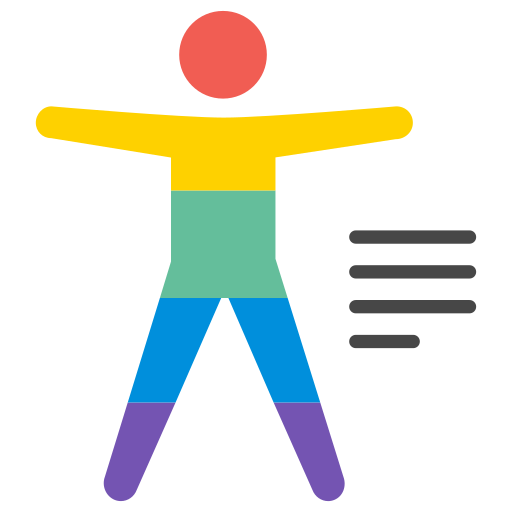
What is Body Chart?
The Body Chart module lets clinicians annotate interactive body diagrams to document their findings visually. Instead of describing a wound location in text, the doctor pins it on the exact anatomical site. Instead of noting pain in writing, they mark the pain points on the diagram with severity indicators.
Visual charting removes the ambiguity inherent in written clinical notes. Two different clinicians reading the notes will see the same thing because the visual markers tell the story at a glance. This is invaluable for follow-up visits (has the wound healed?), medico-legal documentation and specialist referrals.
The module supports front and back body views, with the ability to add notes, images and measurements to each marker. Markers can track progress over time — a wound that is shrinking or a swelling that is resolving becomes immediately visible when comparing charts from different dates.
Interface Walkthrough
A closer look inside Body Chart — click any image to view it full-size.
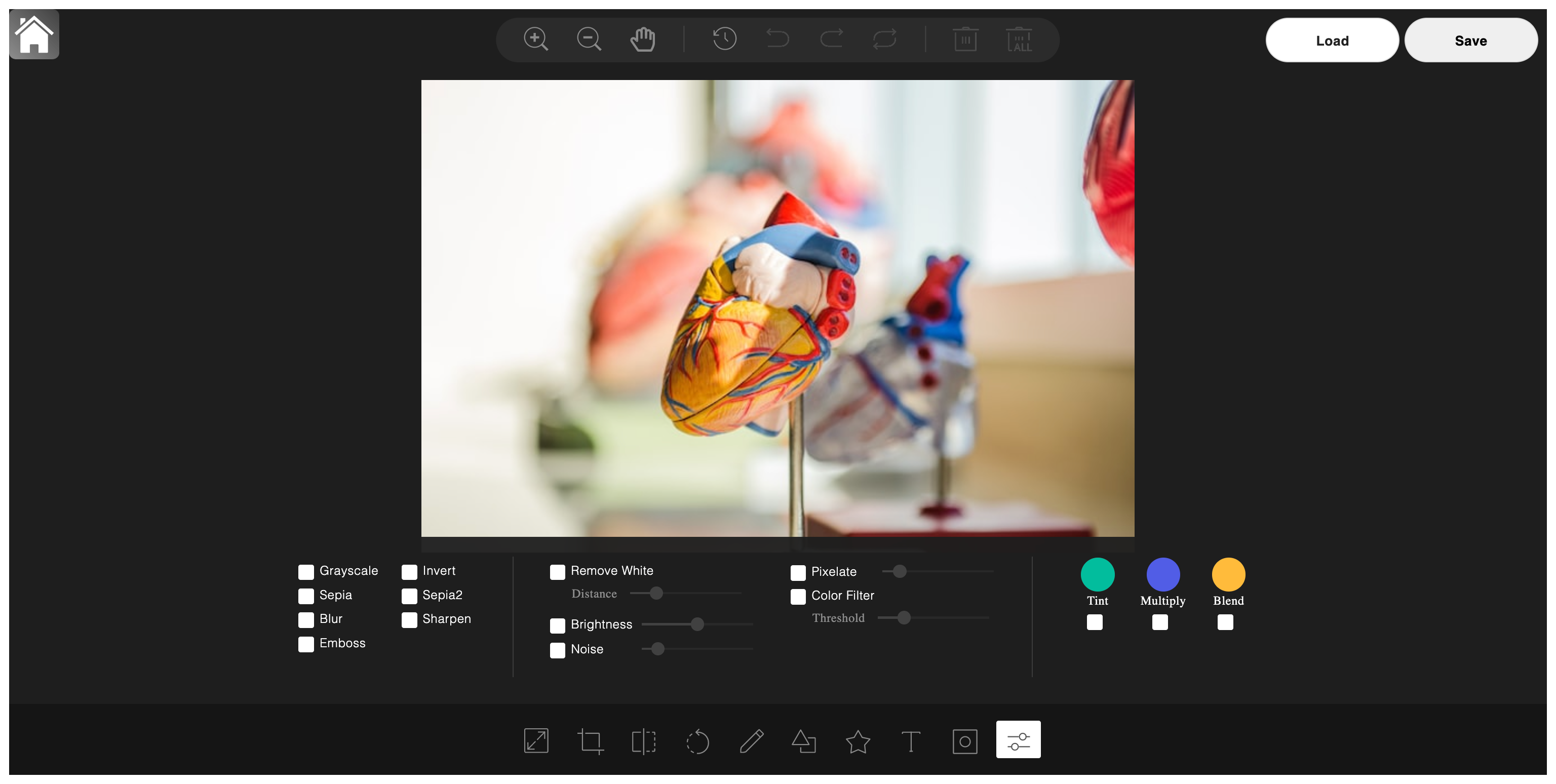
Interactive Body Chart
Clinicians tap directly on the diagram to mark findings at the exact anatomical spot.
Key Features
Everything Body Chart brings to your hospital to streamline operations and improve patient care.
Anatomy Diagram
Interactive front/back body diagrams. Clinicians tap to place markers on precise anatomical locations with annotation notes.
Wound Charting
Document wound location, size, depth, appearance and progress. Compare charts from different visits to visualise healing over time.
Pain Mapping
Pin pain locations with intensity ratings (1-10). Patients describe where it hurts and the doctor records it visually for accurate assessment and treatment planning.
Visual Examination Tool
Attach images (photos, X-rays, scans) and clinical notes directly to anatomical regions. Create a complete visual record of the examination.
Progress Tracking
Compare body charts across multiple visits. Visual overlay shows changes in wound size, pain location shifts or new findings since the last visit.
Medico-Legal Documentation
Time-stamped, signed body charts provide clear visual evidence of injuries, wounds and clinical findings for legal and insurance purposes.
Use Cases
See how healthcare providers use Body Chart in practice.
Emergency Department
ED doctors document trauma injuries on the body chart instead of hand-drawn diagrams. Wound progression is tracked over multiple visits for assault and accident cases requiring follow-up.
Physiotherapy
Physiotherapists map pain points and track their resolution over the course of treatment. Patients can see their progress visually, improving treatment adherence.
Why it matters
The measurable value Body Chart delivers to your hospital, staff and patients every day.
See the full HMS feature listWorks great with
Combine Body Chart with these connected modules for a complete solution.


More Clinical Modules
Explore other modules in this category.
Purchase Body Chart
Get Body Chart as a standalone Odoo app on the AlmightyCS store — install it on your existing database in minutes, with lifetime updates and full source code included.
Purchase NowReady to bring Body Chart to your hospital?
It is just one module inside the complete AlmightyHMS suite.
Install once and get the total solution for your hospital.